The Importance of Anatomical Models and Medical Training Simulators in Medical Education
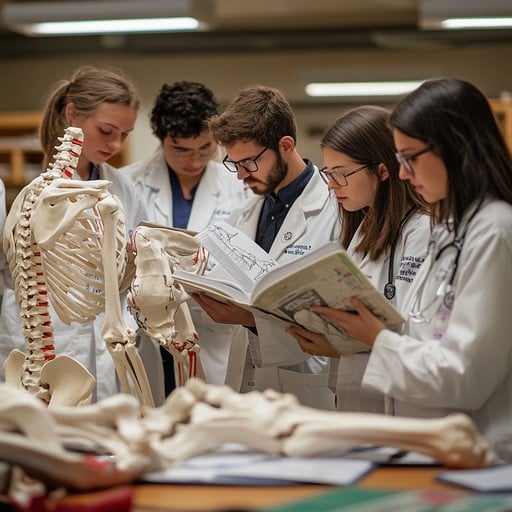
Listening to a Medical Students Rep.....
Here’s what they say:
Anatomy for medical students is typically a challenging and crucial course
-- when I first started studying anatomy, I felt a sense of shock and nervousness that is indescribable. Walking into the anatomy lab for the first time, the air was filled with the smell of formaldehyde, and seeing our “silent teacher”( the cadaver teacher), I felt a mixture of fear,curiosity, and above all, a sense of awe.
--Studying anatomy is both tedious and demanding. The densely packed structure names, as well as the directions of nerves, blood vessels,and muscles,demand precise memorization. Countless nights passed, spent poring over anatomical atlases and specimens, trying to piece together those complex structures in my mind. Every time I dissected something,from separating and identifying it to understanding its function. I improved my hands-on skills and spatial imagination. Although the process was arduous, the sense of accomplishment I felt when I truly understood the intricacies of the human body was immense.
The Role of Anatomical Model And 3D Printing Medical Simulator
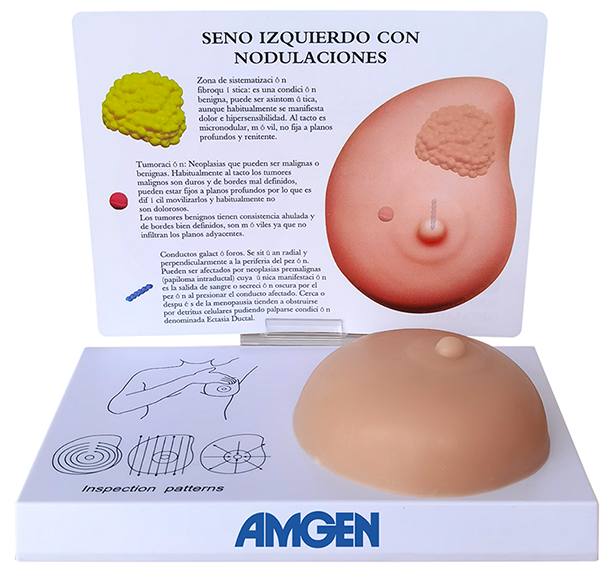
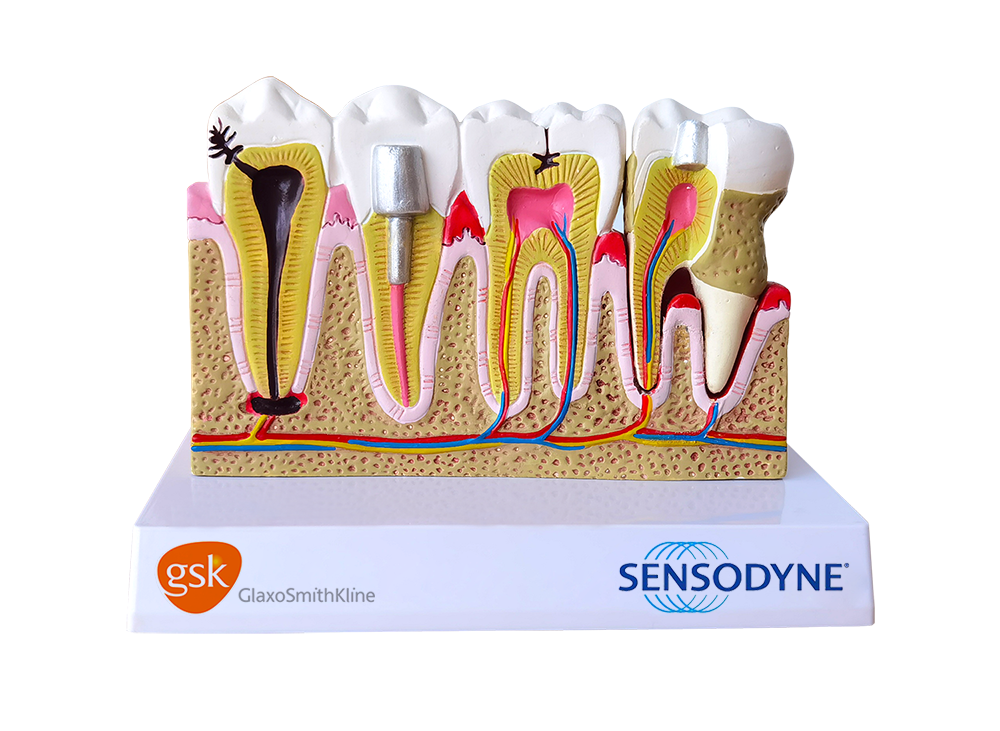
--Traditional textbooks and atlases are two-dimensional, making it difficult for students to grasp the complex, three-dimensional structure of the human body. Anatomical models allow students to intuitively the true spatial positions and relationships of nerves,blood vessels, muscles and organs.
-- Simulation models allow students to quickly locate and identify abstract structures through multi-angle observation,rotation,and layering, improving learning efficiency.
-- Medical training simulator models allow students to repeat anatomical procedures, surgical approaches, or clinical examinations an unlimited number of times without worrying about consumables or risk to real patients.
-- 3D printing models can be customized based on specific patient data to demonstrate rare anatomical variations or pathological structures ( such as tumors). 3D printing models can be used to simulate surgical procedures,allowing medical students and surgeons to practice repeatedly before entering the real operating room, improving their surgical skills and proficiency.
3. Increase Learning Interest and Engagement
-- Interactive and immersive experiences boost student`s interest,motivation and satisfaction with the learning process.
Conclusion:
Anatomical model and medical simulatiors represent a transformative advancement in medical education.They can deepen the understanding, build the essential skills, and inspire students to approach medicine with both competence and compassion.

Why Dental Professionals Need it ? -- Dental Anatomy Models